

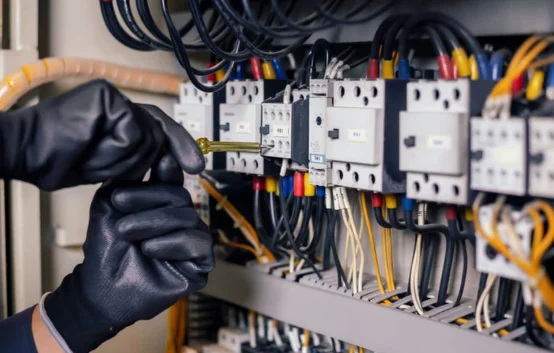
Maintaining the electrical integrity of a property is a critical responsibility for any homeowner, but it is an absolute legal mandate for landlords in the UK capital. Obtaining a Certificate EICR London (Electrical Installation Condition Report) is not just about ticking a box for insurance; it is about ensuring the living or working environment is shielded from electrical fires and shocks. In a fast-paced city like London, where many properties are older conversions or high-density builds, the complexity of wiring systems makes professional oversight indispensable.
This guide explores everything you need to know about the Certificate EICR London, from why it is required to what the inspection process actually entails. Whether you are a private tenant curious about your rights or a commercial property manager overseeing a portfolio in the West End, understanding these regulations will save you from hefty fines and, more importantly, keep people safe.
What Exactly is a Certificate EICR London?
An Electrical Installation Condition Report is a formal document issued after a comprehensive assessment of a building’s fixed electrical wiring. When we talk about a Certificate EICR London, we are referring to the specific service of having a qualified, registered electrician visit your London-based premises to test the “bones” of the electrical system. This includes the consumer unit (fuse box), all wiring, plug sockets, light fittings, and earthing/bonding.
Unlike a PAT test, which only looks at portable appliances like kettles or laptops, the EICR focuses on the infrastructure. The goal is to identify any wear and tear, damage, or degradation that could lead to danger. In London’s unique property market—where Victorian terraces sit alongside glass-and-steel skyscrapers—electrical systems vary wildly in age and complexity.
Why a Certificate EICR London is Mandatory for Landlords
Since April 2021, the UK government has enforced strict regulations requiring all private landlords to have their electrical installations inspected at least every five years. If you are renting out a flat in Chelsea or a house in Hackney, a valid Certificate EICR London is a legal requirement. Failure to provide a “Satisfactory” report to your tenants and the local council upon request can result in administrative fines of up to £30,000.
Beyond the legalities, London’s local authorities are increasingly proactive about enforcement. The “Rental Reform” climate means that local councils are empowered to audit properties to ensure safety standards are met. Having a current certificate protects you from liability and proves that you have exercised “duty of care” toward your occupants.
The Inspection Process: What Happens During the Visit?
When you book a professional for a Certificate EICR London, the process is methodical. The electrician will perform a combination of visual inspections and “dead” and “live” testing. They aren’t just looking for broken switches; they are using specialized equipment to measure the resistance and insulation of the wires hidden behind your walls.
-
Visual Inspection: The engineer checks for obvious signs of trouble, such as scorched sockets, overloaded circuits, or DIY wiring jobs that don’t meet building codes.
-
Dead Testing: This involves disconnecting the power to check the continuity of the circuits and ensure the insulation hasn’t degraded.
-
Live Testing: The power is turned back on to verify that if a fault occurs, the system will disconnect the power quickly enough to prevent an electric shock or fire.
Because London properties often feature shared electrical mains or older fuse boards, the inspection can take anywhere from two to four hours depending on the size of the unit.
Decoding the EICR Observation Codes
Once the inspection is complete, your Certificate EICR London will categorize any issues found using specific industry codes. Understanding these is vital for determining your next steps.
-
C1 (Danger Present): This is the most serious code. It means there is an immediate risk of injury and usually requires the electrician to fix the issue on the spot or isolate the circuit.
-
C2 (Potentially Dangerous): This indicates a high-risk issue that needs urgent attention. While you might not be in immediate danger today, the system is not safe for continued use.
-
C3 (Improvement Recommended): This is more of a “heads up.” Your system is safe, but it doesn’t meet the most modern standards. You don’t have to fix these to get a “Satisfactory” result, but it’s often wise to do so.
-
FI (Further Investigation): This means the electrician saw something suspicious but couldn’t verify it without more invasive work.
If your report contains any C1 or C2 codes, your Certificate EICR London will be marked as “Unsatisfactory” until the remedial work is completed.
Factors Influencing the Cost of a Certificate EICR London
Pricing in the capital can be more volatile than in other parts of the UK. Several factors dictate how much you will pay for a Certificate EICR London:
-
Property Size: A studio apartment in Croydon will naturally cost less to inspect than a five-bedroom townhouse in Kensington. Most electricians charge based on the number of circuits being tested.
-
Complexity of the System: Older London homes with “split load” boards or multiple consumer units require more time and labor.
-
Location and Parking: Yes, even parking matters. Electricians in Central London often have to factor in the Congestion Charge and parking fees into their quotes.
-
Urgency: If you need an EICR overnight to finalize a tenancy agreement, expect to pay a premium for emergency scheduling.
How to Prepare for Your Electrical Inspection
To ensure the process for your Certificate EICR London goes smoothly, a little preparation goes a long way. The electrician will need access to every room and, most importantly, the main fuse box.
-
Clear the Area: Ensure the consumer unit (usually under the stairs or in the hallway) isn’t blocked by boxes or furniture.
-
Unplug Sensitive Electronics: During testing, the power will be turned off and on. It is best to unplug computers and high-end AV equipment to prevent any data loss or surges.
-
Access to All Rooms: If you have tenants, ensure they are aware of the visit. The electrician must check a representative number of sockets and lights in every single room.
-
Provide Previous Reports: If you have an old Certificate EICR London, show it to the engineer. It helps them understand the history of the installation and any previous modifications.
The Difference Between Domestic and Commercial EICRs
While the core principles are the same, a Certificate EICR London for a commercial space—like an office in the City or a retail shop in Soho—is more intensive. Commercial installations often involve three-phase power, extensive cable trunking, and emergency lighting systems.
Commercial properties are also subject to the Electricity at Work Regulations 1989. While the five-year rule is common, some high-risk environments (like laundrettes or petrol stations) may require more frequent inspections. Always consult with a specialist London contractor who understands the specific nuances of commercial compliance.
Choosing the Right Electrician in London
Not every “handyman” can issue a valid Certificate EICR London. The person carrying out the work must be “competent” and usually registered with a government-approved body like NICEIC, NAPIT, or STROMA.
-
Verify Credentials: Always check the electrician’s registration on the relevant scheme’s website.
-
Request a Quote in Writing: Ensure the quote includes the VAT and any potential parking or congestion charges.
-
Check Reviews: London is a competitive market; look for contractors with a solid history of transparent reporting. Avoid those who offer suspiciously low prices only to find “faults” that don’t exist to hike up the remedial bill.
Common Reasons for a Failed EICR in London Properties
It is surprisingly common for older London flats to fail their first inspection. Common culprits that prevent a “Satisfactory” Certificate EICR London include:
-
Lack of RCD Protection: Residual Current Devices (RCDs) are life-saving switches that trip the power if a fault is detected. Many older fuse boxes lack these.
-
Poor Earthing: In many old conversions, the earthing to gas or water pipes is either missing or inadequately bonded.
-
DIY Mistakes: “Bedroom electricians” often leave behind exposed live wires or incorrectly rated cables that can’t handle the load of modern appliances.
-
Overloaded Circuits: With the rise of home offices and high-powered kitchen gadgets, old wiring can struggle to keep up, leading to overheating.
What Happens After You Receive Your Report?
Once the inspection is over, you will receive your Certificate EICR London digitally or in print. If it is “Satisfactory,” you are set for another five years (unless the electrician recommends a shorter interval). Keep this document safe; you’ll need it for insurance renewals and property sales.
If the report is “Unsatisfactory,” you have a legal window—usually 28 days—to carry out the necessary remedial work. Once the repairs are done, the electrician will provide you with a “Minor Works Certificate” or an “Electrical Installation Certificate” to accompany the EICR, proving that the property is now safe and compliant.
The Impact of EICR on Property Value and Insurance
Beyond the threat of fines, a Certificate EICR London plays a role in the broader financial health of your property. Buyers in the London market are increasingly savvy. A “Satisfactory” EICR can be a selling point, providing peace of mind to potential homeowners that they won’t face a £5,000 rewiring bill the month they move in.
Furthermore, most building insurance policies in the UK require the owner to maintain the property in a safe condition. If an electrical fire occurs and you cannot produce a valid Certificate EICR London, your insurer may have grounds to reject your claim, leaving you with a massive financial loss.
Conclusion
Securing a Certificate EICR London is a fundamental pillar of modern property management. While it might seem like an inconvenient expense, the protection it offers against legal penalties and physical danger is immeasurable. London’s unique architectural landscape requires a specialized eye to ensure that the hidden networks of wires powering our lives remain robust and reliable. By staying proactive, choosing qualified professionals, and addressing faults immediately, you ensure your property remains a safe haven in one of the world’s most vibrant cities.
FAQs About Certificate EICR London
1. How long does a Certificate EICR London remain valid? For most residential rental properties, the certificate is valid for five years. However, if the electrical installation is very old, an inspector might recommend a re-test every three years. For homeowners, it is recommended every ten years, though many choose to do it sooner for peace of mind.
2. Is an EICR the same as a Landlord Safety Certificate? In common parlance, yes. When people refer to a “Landlord Electrical Safety Certificate,” they are almost always talking about a Certificate EICR London. It is the primary document used to prove compliance with the 2020/2021 private rented sector regulations.
3. Do I need an EICR to sell my house in London? While it is not a legal requirement to have one just to list your house, most buyers’ solicitors will request a Certificate EICR London during the “enquiries” phase of the conveyancing process. Having one ready can significantly speed up your sale and prevent last-minute price renegotiations.
4. Can my tenant refuse entry for an EICR inspection? A tenant has a right to “quiet enjoyment” of the property, but they also have a responsibility to allow access for essential safety repairs and inspections. As a landlord, you must give at least 24 hours’ notice. It is usually best to explain that the Certificate EICR London is for their own safety.
5. What is the average cost of an EICR in London? For a 1-2 bedroom flat, you can expect to pay between £150 and £250. Larger houses or commercial properties can range from £300 to £600+. Always ensure the price quoted includes the formal certificate and not just the “visit” fee.
