

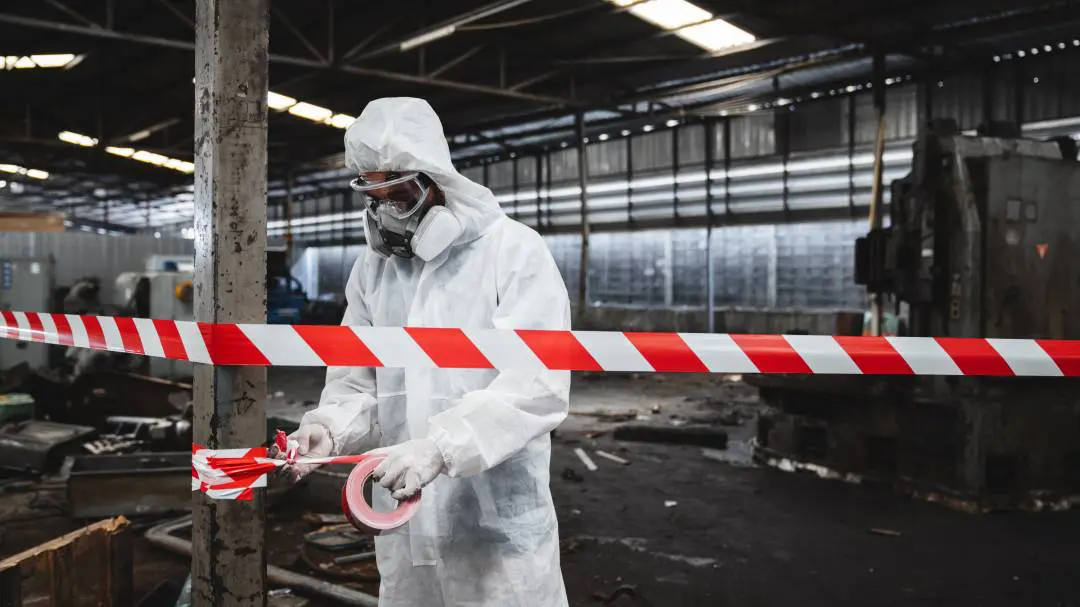
If you’ve been renovating an older home, repairing a boiler room, or opening up old ductwork, you may have heard the term Asbestlint. In plain words, it refers to asbestos-containing tape that was widely used as a sealing, wrapping, or insulating material—especially where heat resistance mattered. It can look harmless at first, but it deserves serious respect because asbestos fibers can become dangerous when they are disturbed and released into the air.
This guide explains what Asbestlint is, why it was used, how to recognize likely situations, and what safe next steps look like—without risky DIY advice. You’ll also learn what modern alternatives exist and how to plan a renovation so you don’t accidentally turn a small discovery into a big health problem.
What Asbestlint Actually Means
Asbestlint is essentially asbestos tape—a strip-like material made to handle high temperatures and provide sealing or insulation. In many older buildings, asbestos was viewed as a “miracle” mineral because it resisted heat, friction, and chemicals. So it ended up in all kinds of construction products, including tapes and wraps.
Asbestos tape was often used to:
-
Seal joints where hot air, steam, or exhaust moved
-
Wrap pipes for insulation
-
Secure insulation blankets
-
Reduce heat loss around fittings
-
Provide fire-resistant protection near equipment
The problem isn’t always the tape sitting quietly in place. The biggest risk starts when it becomes brittle, damaged, sanded, scraped, or removed, because that’s when fibers can be released.
Why It Was Used So Much in Older Buildings
Older construction focused heavily on durability and fire resistance. That made asbestos-based products attractive for decades.
Common reasons it was chosen:
-
Heat resistance (near boilers, heaters, ovens, flues)
-
Fire resistance (around penetrations and joints)
-
Strength and flexibility (tape format fit many shapes)
-
Low cost compared to some alternatives at the time
-
Good sealing performance around metal connections
Many countries later restricted or banned asbestos in building materials once the health risks became undeniable. So today, finding Asbestlint is most common in older properties and industrial spaces.
Where You’re Most Likely to Find It
You’re more likely to run into Asbestlint in areas that involve heat, ventilation, or older mechanical systems.
Typical locations include:
-
Boiler rooms and older heating systems
-
Pipe joints in basements, crawl spaces, and service corridors
-
Ductwork seams in HVAC systems
-
Furnace or heater connections
-
Flues, chimneys, and exhaust pathways
-
Industrial equipment insulation and high-temperature lines
-
Older electrical panels or heat shields (less common but possible)
If the building is older and has original mechanical components, it’s worth assuming some hidden materials may contain asbestos until proven otherwise.
What It Looks Like (And Why Visual ID Isn’t Enough)
People often ask what Asbestlint looks like. The tricky part is that asbestos tape can resemble other old tapes and wraps.
It may look like:
-
A white, gray, or off-white woven or fibrous tape
-
A cloth-like strip wrapped around a pipe joint
-
A tape with a chalky or dusty surface
-
A wrap that’s become brittle, frayed, or peeling over time
-
A seam “patch” on ductwork that looks like fabric tape
Important note: You cannot confirm asbestos just by looking. Many non-asbestos heat tapes and fiberglass wraps look similar. The only reliable way is professional sampling and lab testing done safely.
Why It’s Dangerous: The Real Risk Explained Simply
Asbestos is hazardous because tiny fibers can be inhaled and remain in the body for a long time. The risk increases when asbestos-containing materials become airborne as dust.
Key points to understand:
-
If Asbestlint is undisturbed and in good condition, it may not release many fibers.
-
If it’s cut, torn, sanded, scraped, drilled, brushed, or removed, fibers can be released.
-
The greatest danger is invisible dust you don’t notice while working.
Health risks associated with asbestos exposure can be serious, especially with repeated or heavy exposure. That’s why most safety guidance focuses on avoiding disturbance and using trained professionals.
Red Flags During Renovation or Repairs
Here are practical warning signs that should make you pause:
-
You find old tape on pipes near a boiler, furnace, or heater
-
The tape is frayed and produces dust when touched
-
You’re working in a building known to be decades old
-
You uncover layers of older repairs with cloth-like wraps
-
A contractor says, “That looks like asbestos,” even if unsure
If any of these happen, treat it as a possible asbestos-containing material until it’s tested.
What To Do If You Think You Found Asbestlint
Here’s the safest, common-sense response—focused on reducing risk.
-
Stop work in that area
The biggest mistakes happen when people “just finish the cut” or “pull it off quickly.” -
Avoid touching, tearing, or cleaning it
Don’t sweep or vacuum debris. Regular vacuums can spread fibers. -
Limit access
Keep kids, pets, and unnecessary foot traffic away. The goal is to avoid disturbing dust. -
Get professional guidance
A qualified asbestos professional can assess the material, arrange safe sampling, and explain legal disposal options in your area.
This approach protects you and prevents contamination of the rest of the building.
Testing: How Confirmation Usually Works
Because visual identification is unreliable, confirmation usually involves controlled sampling and lab analysis. The key word is controlled—meaning the sample is taken with methods designed to minimize fiber release.
In many places, testing is coordinated by:
-
asbestos surveyors / inspectors
-
environmental consultants
-
licensed abatement companies (depending on local rules)
If you’re renovating, an asbestos survey before demolition is often the smartest step—because it prevents project delays and surprise costs.
Removal and Remediation: What Professionals Typically Do (High-Level)
People are naturally curious about the process. While the exact steps vary by regulation and material condition, professional handling typically includes controls such as:
-
isolating the area to prevent spread
-
using specialized filtration and containment
-
minimizing dust creation
-
careful packaging and labeling
-
transporting waste through approved channels
This is why asbestos work is often regulated: the goal is to protect occupants, workers, and the environment.
If Asbestlint is in good condition and not in the way, professionals may sometimes recommend management in place (leaving it undisturbed) rather than removal—again, depending on local rules and your renovation plan.
Legal and Disposal Considerations (General Guidance)
Regulations for asbestos vary widely by country, province, and city. What’s consistent almost everywhere is the idea that asbestos waste must be:
-
handled as hazardous or controlled waste
-
packaged and labeled correctly
-
taken to approved facilities
-
managed according to rules that protect public health
So instead of guessing, it’s best to contact local environmental or building authorities—or hire a licensed company that already knows the requirements.
Modern Alternatives to Asbestos Tape
The good news: today you can get excellent heat-resistant and sealing products without asbestos.
Common modern alternatives include:
-
Fiberglass tape (often used for heat resistance)
-
Ceramic fiber tape (very high temperature applications)
-
High-temp silicone tapes (certain sealing needs)
-
Aluminum foil HVAC tapes (duct seams; check temperature ratings)
-
High-temperature cloth tapes made for industrial use
Choosing the right replacement depends on where it’s used: ductwork is different from a steam line, and a flue connection is different from a hot-water pipe. The safe approach is to match the temperature rating and intended use.
Can You Buy or Sell Asbestlint Today?
In many places, products containing asbestos are banned or heavily restricted. But old stock, second-hand items, or mislabeled products can still circulate in rare cases.
If you come across Asbestlint offered for sale:
-
Treat it as a red flag.
-
Avoid purchasing it for any use.
-
Consider reporting it to the relevant marketplace or authority if it appears to be improperly sold.
For homeowners, the real focus should be safe identification and compliant handling, not sourcing or reusing old materials.
A Simple Safety Checklist Before You Start Any Old-Building Project
Before you rip out ductwork, replace a boiler, or open a chase, run through this quick checklist:
-
Was the building built or renovated in an era when asbestos was common?
-
Am I about to disturb insulation, tape, wraps, or old joint sealing?
-
Do I have a plan for testing if I find suspicious material?
-
Have I told contractors that asbestos may be present?
-
Do I know where to stop work and whom to call?
This checklist prevents panic and protects your timeline and budget.
Conclusion: Treat Asbestlint Like a Serious “Pause and Plan” Moment
Finding Asbestlint doesn’t mean disaster—but it does mean you should slow down and handle the situation responsibly. Asbestos risks are tied to disturbance and dust, so the smartest move is to avoid touching it, limit access, and get professional advice for testing and next steps. Whether it’s removed or managed in place, the goal is the same: keep fibers out of the air and keep people safe.
If you’re renovating an older property, planning ahead with an inspection can save money, protect health, and prevent work stoppages later.
FAQs
1) What is Asbestlint used for?
Asbestlint was used mainly for heat-resistant sealing and insulation, especially on older pipes, ducts, boilers, and high-temperature joints where fire resistance mattered.
2) Is Asbestlint dangerous if it’s not damaged?
If it’s intact and undisturbed, the risk is often lower. The biggest danger comes when Asbestlint is torn, sanded, cut, scraped, or removed, which can release fibers into the air.
3) How can I tell if a tape is asbestos tape?
You can’t confirm it reliably by sight. Many materials look similar. The safest path is professional sampling and lab testing done with proper precautions.
4) Should I remove Asbestlint myself?
It’s strongly discouraged. Disturbing Asbestlint can release hazardous fibers. In most places, safe handling and disposal are regulated, so it’s best to use qualified professionals.
5) What can replace Asbestlint today?
Modern options include fiberglass tape, ceramic fiber tape, high-temp silicone products, and rated HVAC foil tapes, depending on the temperature and application. Always match the correct heat rating and use-case.
