

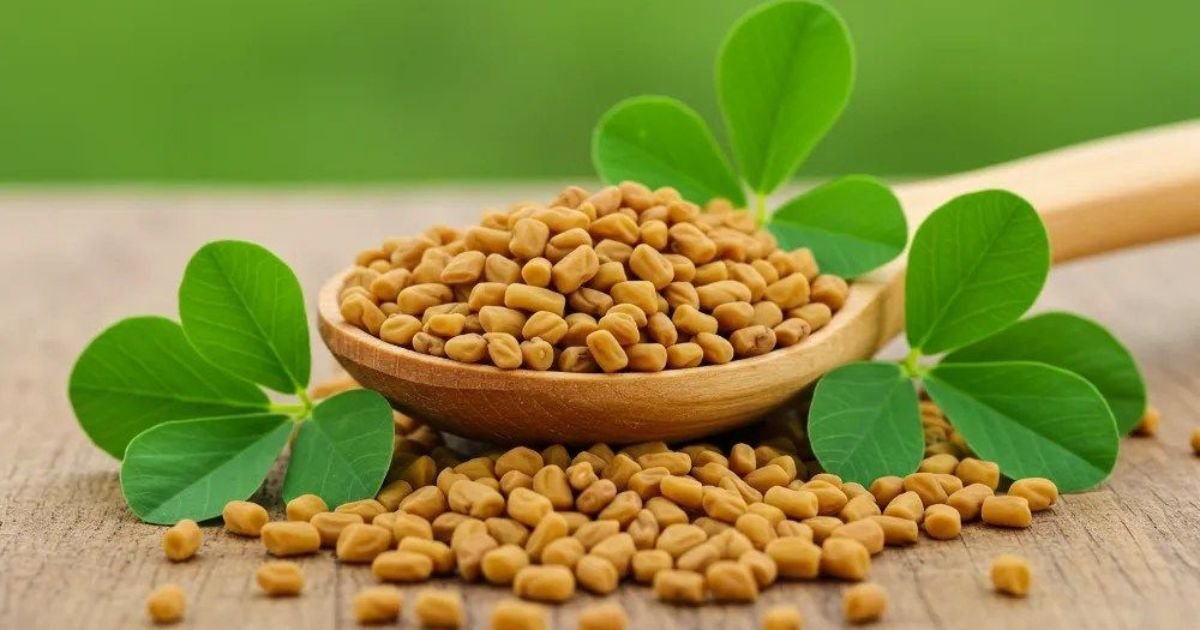
Introduction: What is Foenegriek?
Foenegriek, commonly known as fenugreek in English, is a versatile herb widely used for its medicinal properties, culinary value, and nutritional benefits. Originating from the Mediterranean and Western Asia, Foenegriek has been used for centuries in traditional medicine, cooking, and as a dietary supplement. This article delves deep into everything you need to know about Foenegriek, including its benefits, uses, potential side effects, and practical tips for incorporating it into your lifestyle.
History and Origin of Foenegriek
Foenegriek has a rich history that spans thousands of years. Ancient Egyptians valued it for its healing properties and often used it in remedies for inflammation, digestive issues, and skin conditions. Similarly, in traditional Indian medicine (Ayurveda), Foenegriek has been a staple herb, particularly for boosting lactation, improving digestion, and managing blood sugar levels.
Over the centuries, Foenegriek spread across the world, becoming an integral part of Middle Eastern, Indian, and Mediterranean cuisines. Its seeds, leaves, and even extracts are now used globally for both culinary and medicinal purposes.
Nutritional Profile of Foenegriek
Foenegriek is packed with essential nutrients that contribute to its health benefits:
-
Vitamins: Rich in vitamin A, B-complex vitamins, and vitamin C.
-
Minerals: Contains iron, magnesium, manganese, and potassium.
-
Proteins: A good source of plant-based protein.
-
Fiber: High fiber content aids digestion and promotes gut health.
-
Phytonutrients: Contains saponins and flavonoids that have antioxidant properties.
These nutrients make Foenegriek an ideal supplement for overall health and wellness.
Health Benefits of Foenegriek
1. Supports Digestive Health
Foenegriek seeds are well-known for their digestive benefits. The high fiber content helps regulate bowel movements, reduce constipation, and maintain a healthy gut. Additionally, it may alleviate symptoms of indigestion and bloating.
2. Helps Manage Blood Sugar Levels
Research shows that can help stabilize blood sugar, making it a popular natural remedy for people with diabetes. Its soluble fiber slows the absorption of sugar in the bloodstream, preventing sudden spikes.
3. Boosts Lactation in Nursing Mothers
Foenegriek is a galactagogue, meaning it promotes milk production in breastfeeding mothers. Many women consume Foenegriek seeds, teas, or capsules to naturally increase lactation.
4. Promotes Heart Health
Foenegriek may help lower cholesterol levels and improve heart health. Its seeds contain compounds that reduce triglycerides and LDL (bad cholesterol), supporting cardiovascular well-being.
5. Anti-Inflammatory and Antioxidant Properties
The bioactive compounds in help reduce inflammation and oxidative stress. Regular use may protect against chronic diseases, including arthritis and certain types of cancer.
Culinary Uses of Foenegriek
Foenegriek is not only a medicinal herb but also a culinary delight. Both the seeds and leaves are widely used in cooking.
-
Seeds: Often roasted or ground to enhance flavor in curries, stews, and spice mixes.
-
Leaves: Fresh or dried leaves, known as methi in India, are used in salads, breads, and vegetable dishes.
-
Supplements: Available as powders, capsules, or teas for those seeking health benefits without cooking.
Foenegriek adds a distinct, slightly bitter, and nutty flavor that complements a variety of dishes, making it a favorite among chefs and home cooks alike.
How to Incorporate Into Your Daily Routine
-
Tea: Boil Foenegriek seeds in water to make a soothing herbal tea.
-
Sprouting: Sprouted seeds can be added to salads for extra nutrients.
-
Powder Form: Mix powdered Foenegriek into smoothies, soups, or sauces.
-
Cooking: Use seeds or leaves in curries, lentils, or bread dough.
-
Supplements: Capsules or extracts can be taken for targeted health benefits, especially for blood sugar management or lactation support.
Potential Side Effects and Precautions
While Foenegriek is generally safe for most people, it may cause side effects in certain cases:
-
Digestive Issues: Large doses may lead to diarrhea or stomach discomfort.
-
Allergic Reactions: Rarely, some individuals may develop skin rashes or respiratory issues.
-
Pregnancy: Excessive consumption may induce uterine contractions, so pregnant women should consult a doctor.
-
Blood Sugar Levels: Those on diabetes medication should monitor sugar levels, as may enhance the effects.
Moderation is key, and consulting a healthcare professional is recommended for medicinal use.
Foenegriek in Traditional Medicine
Foenegriek has been a cornerstone in traditional medicine for various cultures:
-
Ayurveda: Used for digestion, lactation, and joint health.
-
Traditional Chinese Medicine: Promotes kidney and spleen health.
-
Middle Eastern Remedies: Used for hair growth, skin care, and metabolic health.
Its long-standing use across diverse cultures highlights its versatility and effectiveness.
Conclusion
Foenegriek is a remarkable herb with a wealth of benefits for health, wellness, and culinary enjoyment. From aiding digestion and managing blood sugar levels to promoting lactation and heart health, its versatility is unmatched. Whether used as a spice, tea, supplement, or fresh leaves, can easily be integrated into daily life. With proper use and moderation, it has the potential to improve overall well-being naturally.
Incorporating Foenegriek into your diet is not just a trend—it’s a time-tested approach to healthier living. Embrace this ancient herb and experience its numerous advantages today.
FAQs About Foenegriek
1. What is the best way to consume for health benefits?
Foenegriek can be consumed as seeds, powder, tea, or capsules. The best form depends on your health goals—seeds for cooking, powder for smoothies, or capsules for targeted medicinal use.
2. Can Foenegriek help with weight loss?
Yes, Foenegriek may aid weight management by improving digestion, increasing satiety, and regulating blood sugar levels.
3. Are there any side effects of Foenegriek?
While generally safe, excessive use may cause digestive discomfort or allergic reactions. Pregnant women and people on blood sugar medication should consult a doctor.
4. How does Foenegriek help nursing mothers?
Foenegriek is a natural galactagogue that promotes milk production in breastfeeding women, often consumed as seeds, capsules, or tea.
5. Can Foenegriek improve heart health?
Yes, the compounds in Foenegriek help lower cholesterol and triglycerides, supporting cardiovascular health.
