

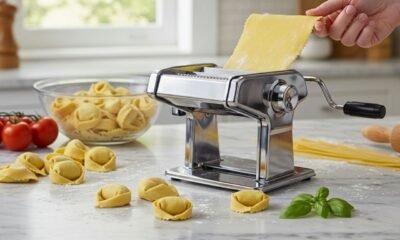
A Tortellinatrice is a machine designed to shape tortellini quickly and consistently. It helps turn pasta sheets and filling into neatly formed tortellini with the classic fold and seal. While tortellini can be made fully by hand, shaping them one by one takes time and strong technique. This is exactly where a Tortellinatrice becomes useful. It supports home cooks who want a traditional result without spending an entire day at the table, and it helps small kitchens or pasta businesses keep quality steady during busy hours.
The big advantage is consistency. Even skilled hands can produce slightly different shapes across a batch. A Tortellinatrice makes the size, fold, and seal more uniform, which improves cooking results. When tortellini are similar in thickness and closure, they cook evenly and are less likely to open in the water. In short, the machine does not replace tradition—it helps scale it while protecting the look and bite people expect from authentic tortellini.
Table of Contents
ToggleHow a Tortellinatrice Works Step by Step
Most models work with a simple idea: a pasta sheet is fed through the machine, filling is portioned at set intervals, and a forming system folds, presses, and cuts the tortellini. Some units are fully manual, using a crank and mechanical pressure. Others are electric and use a motor to move sheets through rollers and shaping plates. Higher-end machines can also manage filling distribution automatically, which reduces waste and keeps each tortellino balanced.
The process usually follows these steps. First, you prepare a thin pasta sheet and a filling with the right texture—firm enough to hold shape but smooth enough to portion cleanly. Next, you feed the sheet into the machine. Depending on the model, the filling is added through a hopper or placed in a line by hand. The forming section then folds the pasta over the filling, seals it with pressure, and cuts individual pieces. Many machines also create the signature “ring” shape by pressing and wrapping. The result is a tray of tortellini ready for cooking, chilling, or freezing.
Tortellinatrice Types: Manual, Electric, and Professional Units
There are three main categories. A manual Tortellinatrice is often compact and designed for home kitchens. It’s usually affordable, easy to store, and controlled by a hand crank or lever. People like these models because they feel hands-on and require no power source. They are ideal for occasional batches, family weekends, or cooking projects where speed matters but automation is not the main goal.
An electric Tortellinatrice is a step up for frequent use. It reduces effort and increases output, making it popular for catering kitchens or serious home cooks. These machines tend to include adjustable settings and more stable output. Many also support accessories or matching rollers so you can handle different dough thicknesses. Finally, professional production machines are built for restaurants, pasta labs, and small factories. They can produce large quantities per hour, handle multiple fillings, and often include safety features and precision adjustments. They are also easier to sanitize at scale, which matters in commercial operations.
Tortellinatrice for Home Cooking: When It Makes Sense
For many people, the biggest question is whether the machine is worth it at home. If you make tortellini once a year, hand-shaping might be enough. But if you cook stuffed pasta often, a Tortellinatrice can be a smart upgrade. It helps you produce a big batch for freezing, which saves time across many meals. You can create consistent pieces for soup, broth, cream sauces, or baked pasta dishes without worrying about uneven sizes.
Home use is also about confidence. New cooks often struggle with sealing. Poor seals lead to filling leaking into water, which ruins the pot and the pasta. A Tortellinatrice helps solve this by pressing the dough with reliable force. That means fewer broken pieces and less frustration. It also makes cooking with kids or family more fun because the “machine work” becomes a simple system that anyone can help with, while you focus on dough and seasoning.
Tortellinatrice for Restaurants and Pasta Shops
In professional kitchens, speed is only one part of the story. A Tortellinatrice supports standardization, which is vital for a menu item. Customers expect the same size, bite, and filling ratio every time they visit. A machine helps meet that expectation even when different staff members are working. It also reduces strain on hands and wrists, especially in high-volume prep days.
Many pasta shops use the machine to create signature shapes and branded consistency. Some models allow adjustments for size, fold tightness, and filling amount. That flexibility lets a business keep a “house style” while scaling output. If a shop produces tortellini daily, it also benefits from predictable portions. That means better cost control, accurate nutrition labeling when needed, and fewer surprises in inventory planning.
Key Features to Look For in a Tortellinatrice
Choosing the right machine depends on your goals, but a few features matter almost universally. First is build quality. Food-grade materials, stable construction, and smooth moving parts make a big difference. Stainless steel is usually preferred for durability and cleaning, while some home models use strong food-safe polymers. Next is size control. Look for adjustable forming plates or settings that let you choose smaller or larger tortellini depending on your recipe and serving style.
Another important feature is filling control. Some machines allow easy adjustment for how much filling is placed inside each piece. This is crucial because too much filling can burst the pasta, while too little makes it dry and disappointing. Also consider dough compatibility. Not every unit handles thick or highly hydrated dough the same way. Machines work best with smooth dough sheets that are evenly rolled. Finally, think about cleaning design. Removable parts, smooth corners, and easy access to the filling zone make sanitation far simpler, especially if you plan to use meat or cheese fillings.
Dough and Filling Tips for Better Results
A Tortellinatrice performs best when the dough and filling are prepared with the machine in mind. Dough should be elastic, smooth, and rolled into consistent sheets. If the dough is too dry, it can crack during folding. If it’s too wet, it may stick, stretch, or seal poorly. Many cooks rest dough before rolling so the gluten relaxes. This makes rolling easier and helps the sheet feed smoothly through the machine.
Filling texture is equally important. Very chunky filling can block the dispensing system or create weak seals. A good filling should be fine-textured and cohesive. If it is too wet, it can leak and weaken the dough. If it is too dry, it can crumble and create empty pockets. A practical approach is to mix filling, then chill it so it firms up. Cold filling is easier to portion and helps keep the dough stable while shaping.
Common Mistakes People Make With a Tortellinatrice
One common mistake is using a dough sheet that is too thick. Thick sheets may not fold neatly and can lead to heavy, chewy tortellini. On the other hand, sheets that are too thin can tear or burst. The best thickness is usually thin enough to fold without bulk, but strong enough to seal well. Another mistake is overfilling. People often think more filling equals better flavor, but overfilled tortellini are more likely to open during cooking and can lose their signature shape.
Cleaning mistakes are also common. If filling residue dries inside a forming area, it can affect performance and hygiene. It’s better to clean promptly, especially after using meats, eggs, or dairy. Finally, some users rush the feeding step. Feeding too fast can wrinkle the sheet and create bad seals. A steady pace helps keep edges aligned, which leads to cleaner cuts and a more reliable closure.
Cleaning and Maintenance: Keeping the Machine Safe and Smooth
Proper care extends the life of a Tortellinatrice and keeps your pasta safe to eat. Always follow the basic rule: unplug electric models before reminding yourself to clean. Remove detachable parts and clean them according to manufacturer guidance. Many machines should not be fully submerged, especially if they include motors or electrical components. Instead, wipe main bodies carefully and wash removable sections separately.
For the filling zone, use a small brush to remove residue from corners and seams. Dry everything completely before storage, since moisture can encourage corrosion or odors. If the machine uses metal parts, avoid harsh abrasives that scratch the surface. Scratches can trap food and create cleaning problems later. For long-term maintenance, check moving parts for stiffness and keep rollers free of dried dough. A well-maintained machine stays accurate, seals better, and remains pleasant to use.
Tortellinatrice vs Hand-Made Tortellini: Which Is Better?
This is not really a battle—it’s a choice based on your needs. Hand-made tortellini can feel more personal and artisanal, and many people love the slow process. But hand shaping takes time, and results can vary. A Tortellinatrice gives speed and consistency without removing creativity. You still control the dough recipe, the filling, and how you serve it. The machine simply helps with the repetitive shaping step.
For families, meal prep lovers, and small food businesses, the machine is often the best balance. It supports tradition by making it possible to prepare tortellini more often, not just on special occasions. In many kitchens, that’s the real win: more fresh pasta, more shared meals, and less stress while keeping quality high.
Buying Guide: How to Choose the Right Tortellinatrice for You
Start with output needs. If you only want a few trays a month, a compact manual model can work well. If you host frequently, freeze batches, or want a smoother workflow, an electric option may suit you better. Consider your space and storage too. Some machines are heavy and require a permanent prep area. Others can be placed on a table, used, cleaned, and stored away.
Budget matters, but focus on value. A cheap machine that breaks or is hard to clean can cost more in the long run. Look for solid construction, easy part removal, stable feeding, and clear instructions. Also think about after-sales support and part availability. Even the best machine may need replacement pieces over time. When you match the machine to your real use, you get better results and enjoy the process more.
Conclusion
A Tortellinatrice is a practical tool for anyone who loves tortellini but wants to make it faster, easier, and more consistent. It supports both home cooks and professionals by improving seals, reducing effort, and helping produce uniform shapes that cook evenly. The best results still come from good dough, balanced filling, and steady handling, but the machine removes the slowest part of the workflow. If you choose the right type, maintain it properly, and use smart dough and filling techniques, you can enjoy beautiful tortellini more often—without sacrificing the traditional look and taste that makes this pasta special.
FAQs
1) What does a Tortellinatrice do exactly?
A Tortellinatrice shapes tortellini by folding pasta sheets around filling, pressing to seal, and cutting pieces into consistent forms.
2) Is a Tortellinatrice only for professional kitchens?
No. Many models are built for home use, especially manual and compact machines designed for small batches and easy storage.
3) What dough works best with a Tortellinatrice?
Smooth, elastic dough rolled into even sheets works best. Dough that is too dry may crack, while dough that is too wet may stick and seal poorly.
4) Can I use different fillings in the same Tortellinatrice?
Yes, but clean the filling zone between fillings. This prevents flavor mixing and keeps the machine hygienic, especially when switching between meat and cheese.
5) How do I stop tortellini from opening while cooking?
Use the right dough thickness, avoid overfilling, and ensure strong sealing. Cooking in gently simmering water rather than a rough boil also helps prevent opening.
