

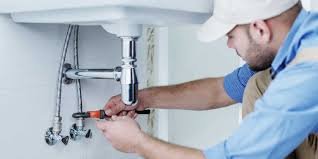
Plumbing problems rarely show up without warning. Most issues start small. A drip here. A slow drain there. Many people ignore these signs, hoping they go away. But plumbing does not work like that. Small problems often grow into big ones when left alone.
Knowing when to call a local plumber can save time, money, and stress. Early action helps protect pipes, walls, floors, and even indoor air quality. It also helps avoid water damage and health risks.
This article walks through clear plumbing warning signs that should never be ignored. Each section explains what the sign means, why it matters, and when a local plumber should step in.
Slow Drains That Keep Coming Back
Why Slow Drains Are More Than a Minor Issue
A slow drain is one of the first signs of trouble. It often means buildup inside the pipes. Grease, soap, hair, and debris can stick to pipe walls over time.
When drains stay slow after basic cleaning, the problem may be deeper in the system.
When a Local Plumber Is Needed
If multiple drains move slowly at once, it may point to a main line issue. A local plumber can inspect the system and clear blockages safely. This helps prevent backups that can damage floors and fixtures.
Frequent Clogs in Toilets or Sinks
What Repeat Clogs Are Telling You
A clogged toilet once in a while happens. But frequent clogs signal a deeper issue. Pipes may be poorly sloped, partially blocked, or damaged.
Plunging again and again can make things worse.
Why Ignoring Clogs Can Lead to Backups
When waste cannot move freely, pressure builds. This can cause backups, leaks, or pipe breaks. A local plumber can find the root cause instead of treating symptoms.
Water Stains on Walls or Ceilings
What Water Stains Usually Mean
Brown or yellow stains on walls or ceilings often mean a hidden leak. Pipes may be dripping behind drywall or above ceilings.
These leaks waste water and weaken building materials.
Health Risks Linked to Hidden Leaks
Moist areas invite mold growth. Groups like the Centers for Disease Control and Prevention (CDC) warn that mold can affect breathing and indoor air quality.
A local plumber can locate leaks early and stop further damage.
Unusual Sounds Coming From Pipes
Common Plumbing Noises and Their Causes
Banging, whistling, or gurgling sounds are not normal. Banging may come from pressure issues. Gurgling often points to venting problems.
These sounds mean the system is under stress.
Why Noise Is a Warning Sign
Stress on pipes increases wear. Over time, this can lead to cracks or joint failure. A local plumber can adjust pressure, fix vents, and quiet the system.
Low Water Pressure Throughout the Home
What Causes Sudden Pressure Drops
Low pressure can come from leaks, mineral buildup, or pipe corrosion. When pressure drops across the whole home, the issue is often in the main supply line.
Why Pressure Problems Should Not Be Ignored
Low pressure affects daily use and signals pipe damage. Leaks behind walls may already be active. A local plumber can test pressure and find the cause.
Discolored or Rusty Water
What Changes in Water Color Mean
Brown, yellow, or cloudy water often means corrosion inside pipes. Rust can break free and enter the water supply.
This is common in older plumbing systems.
Safety and Water Quality Concerns
The Environmental Protection Agency (EPA) stresses the importance of clean drinking water. Discolored water may not be safe for cooking or drinking.
A local plumber can inspect pipes and suggest safe solutions.
Bad Smells Coming From Drains
Why Sewer Odors Are a Red Flag
Sewer smells usually mean a dry trap, blocked vent, or broken drain line. These smells should never linger.
Health and Comfort Issues
Sewer gases can irritate the nose and throat. They also make living spaces unpleasant. A local plumber can restore proper venting and trap function.
Rising Water Bills With No Clear Reason
How Hidden Leaks Waste Water
A sudden increase in water bills often points to leaks. These leaks may be underground or behind walls.
Even small leaks add up fast.
When to Call a Local Plumber
If water use habits have not changed, it is time to act. A local plumber can perform leak detection and stop water loss.
Water Pooling Around Fixtures or Appliances
What Pooling Water Tells You
Water near toilets, sinks, or water heaters often means failing seals or loose connections. Over time, this water can damage floors.
Preventing Structural Damage
Moist floors can warp and weaken. Early repair by a local plumber protects surfaces and prevents mold growth.
Gurgling Sounds After Flushing or Draining
How Venting Problems Start
Vents allow air into the plumbing system. When vents clog, drains struggle and make noise.
This can pull water from traps and allow sewer gas inside.
Code and Safety Concerns
Plumbing codes like the International Plumbing Code (IPC) and Uniform Plumbing Code (UPC) outline proper venting standards. A local plumber ensures systems meet these rules.
Old Pipes and Aging Plumbing Systems
Why Age Matters in Plumbing
Pipes do not last forever. Older materials wear down, corrode, or crack. Even if leaks are not visible, risk rises with age.
Proactive Checks Save Money
A local plumber can assess pipe condition and recommend updates before failures occur. This helps avoid emergency repairs.
Multiple Fixtures Failing at Once
What Widespread Issues Indicate
When sinks, toilets, and tubs all act up, the problem is rarely local. It often points to main drain or supply issues.
Why Quick Action Matters
Main line problems affect the whole building. A local plumber has tools to inspect and clear these lines safely.
Backups in Basements or Lower Levels
Why Lower Drains Show Problems First
Lower drains feel pressure first when main lines clog. Backups here are serious and messy.
Preventing Health and Property Damage
Sewage backups pose health risks. The CDC highlights sanitation as key to public health. A local plumber can stop backups before damage spreads.
Changes After Heavy Rain or Weather Shifts
How Weather Affects Plumbing
Heavy rain can stress sewer systems. Shifting soil can damage underground pipes.
Why Local Knowledge Helps
A local plumber understands area soil and drainage patterns. This helps them diagnose weather-related plumbing problems faster.
Gas Smells Near Appliances
Why Gas Odors Are Serious
Gas smells may point to leaks. These leaks can be dangerous and must be addressed fast.
Safety First
Groups like OSHA stress the importance of gas safety. A local plumber trained in gas systems can test lines and restore safety.
DIY Fixes That Do Not Last
When Temporary Fixes Fail
Tape, sealants, and store-bought cleaners may help briefly. But repeated failure means the issue runs deeper.
Knowing When to Stop DIY
A local plumber brings tools and experience that DIY fixes cannot replace. Calling early prevents bigger repairs.
Conclusion
Plumbing systems speak through warning signs. Slow drains, odd smells, low pressure, and rising bills all tell a story. Ignoring these signs often leads to leaks, backups, and costly damage.
A local plumber plays a key role in catching problems early. With local knowledge, code awareness, and proper tools, they protect homes and buildings from long-term harm. Standards set by groups like the Environmental Protection Agency, Centers for Disease Control and Prevention, International Plumbing Code, and Uniform Plumbing Code guide safe plumbing practices.
When something feels off, trust the signs. Calling a local plumber at the right time keeps plumbing systems safe, clean, and reliable for years to come.
