

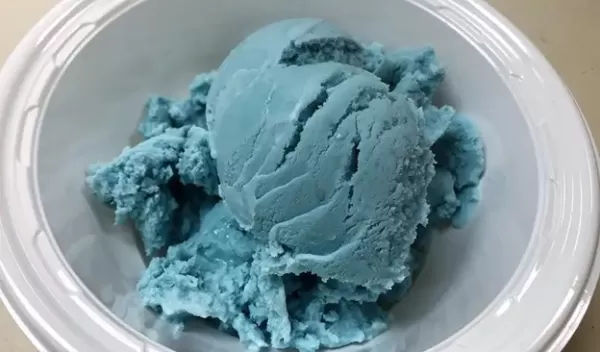
Blue is everywhere in branding—but surprisingly rare in nature, especially when it comes to food.
Think about it. Outside of blueberries, butterfly pea flowers, and a few exotic ingredients, naturally blue foods are almost nonexistent. Yet, in the food industry, blue is a highly desirable color. It signals uniqueness, creativity, and often a premium or “fun” experience.
This contrast is exactly why natural blue food colors are considered one of the most challenging—and fascinating—segments within natural food colors.
Why Blue Is So Difficult to Achieve Naturally
Unlike red, yellow, or even green, blue pigments are extremely limited in nature. And even when they exist, they are often unstable.
Natural blue colors tend to:
- Break down under heat
- Fade when exposed to light
- React to changes in pH
- Lose intensity over time
This makes them difficult to use in real-world food applications, especially those involving processing or long shelf life.
For years, this is why synthetic blue dyes dominated the market. They were reliable, vibrant, and easy to use.
But with the shift toward clean-label products, the demand for natural alternatives has surged—and manufacturers have had to innovate quickly.
The Key Source: Spirulina
Today, the most widely used source of natural blue food coloring is spirulina.
Spirulina is a type of blue-green algae, and its pigment—phycocyanin—is responsible for its vibrant blue color.
Why Spirulina Works
- Produces a bright, appealing blue shade
- Has relatively better stability compared to other natural blue sources
- Fits well with clean-label and plant-based positioning
Because of these advantages, spirulina-based colors are now used across multiple food categories.
But Spirulina Isn’t Perfect
Despite being the best available option, spirulina comes with its own limitations.
It is:
- Sensitive to heat (not ideal for high-temperature processing)
- Unstable in acidic environments (like soft drinks)
- Prone to fading over time if not handled properly
This means it cannot simply replace synthetic blue in every product.
For example, achieving a stable blue in carbonated beverages is still a significant challenge.
Other Emerging Sources of Natural Blue
While spirulina dominates the market, research and innovation are opening up new possibilities.
- Butterfly Pea Flower
A plant-based source known for its vibrant blue hue.
Interesting feature: It changes color based on pH—turning purple or pink in acidic conditions.
- Gardenia Blue
Derived from the gardenia fruit, used in some regions as a natural blue colorant.
- Red Cabbage Extract (Modified)
Under specific conditions, it can produce bluish shades.
However, these alternatives are still limited in terms of scalability, regulatory acceptance, or stability.
Where Natural Blue Food Colors Are Used
Because of their sensitivity, natural blue colors are best suited for applications with controlled conditions.
Common uses include:
- Confectionery: Gummies, candies, decorative coatings
- Dairy: Ice creams, frostings, flavored yogurts
- Beverages (limited): Neutral pH drinks, smoothies
- Bakery decorations: Icings and toppings added after baking
In these applications, the color is less likely to degrade quickly.
The Real Work Happens Behind the Scenes
Creating a stable blue product isn’t just about choosing the right ingredient—it’s about understanding the entire system.
Manufacturers work on:
- Protecting the pigment during processing
- Adjusting formulations to improve stability
- Developing blends for better performance
- Testing across different storage conditions
In many cases, achieving the desired shade requires multiple iterations and technical fine-tuning.
Why Brands Still Pursue Natural Blue
Despite all the challenges, brands continue to invest in natural blue food colors.
Why?
Because blue stands out.
It offers:
- Strong shelf appeal
- Differentiation in crowded categories
- A “natural yet fun” positioning for modern consumers
In a market where visual identity matters, blue can be a powerful advantage—if done right.
The Future of Natural Blue Food Coloring
The demand for natural blue is pushing the boundaries of food science.
In the coming years, we can expect:
- Improved stability of spirulina-based colors
- New plant-based sources entering the market
- Better compatibility with acidic and heat-processed products
- More cost-effective solutions as production scales up
But even with these advancements, natural blue will likely remain one of the most technically demanding colors.
Final Thoughts
Natural blue food colors represent the frontier of clean-label innovation.
They highlight the gap between what consumers want and what nature easily provides—and the role of science in bridging that gap.
While not perfect, they are a clear step toward more transparent and natural food color systems.
And for brands willing to navigate the complexity, blue offers something rare: a chance to stand out, naturally.
