

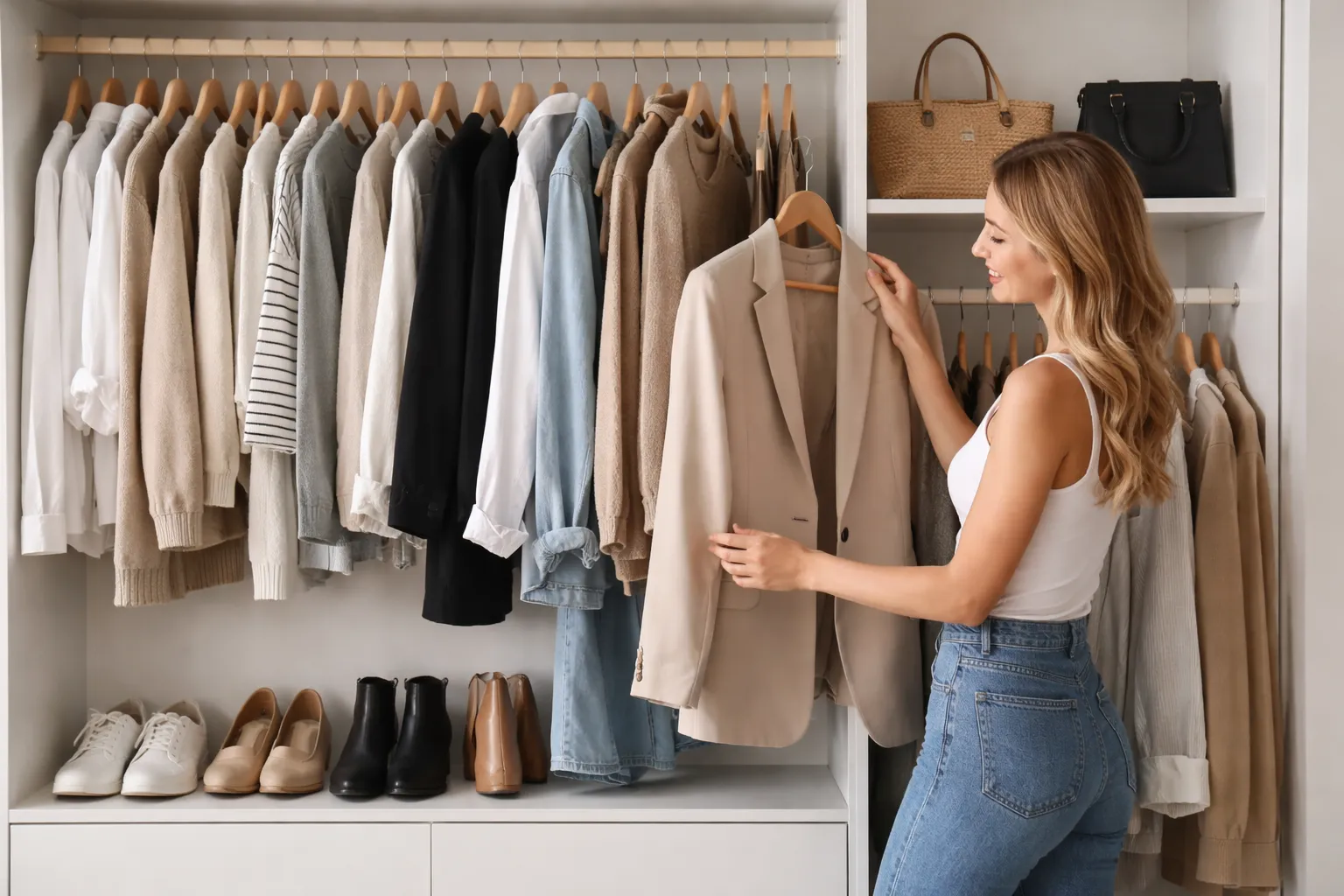
Most wardrobes are not short on clothes. They are short on clarity.
You open your closet, see plenty of options, and still feel like there’s nothing to wear. It’s not because you don’t have enough. It’s because most of what’s there doesn’t work together.
Building a versatile wardrobe isn’t about adding more pieces. It’s about choosing the right ones and making sure they actually fit into your everyday life.
Start With What You Wear, Not What You Like
There’s a difference between clothes you like and clothes you actually wear.
A lot of buying decisions are based on what looks good in the moment. But when you look at your most-worn outfits, they usually have something in common. They are easy, comfortable, and don’t require too much thought.
That’s the starting point.
Instead of asking what looks nice, it helps to ask what gets used the most. That shift alone changes how you shop.
Build Around Repeat Outfits
Versatility doesn’t come from having endless options. It comes from having pieces that work in multiple ways.
Think about outfits you can wear more than once without feeling repetitive. Small changes like different shoes, accessories, or layering can completely change how something looks.
When a single outfit can serve different situations, it becomes far more valuable than something you wear once and forget.
Keep a Balance Between Basics and Statement Pieces
Every wardrobe needs a mix of both.
Basics give you consistency. They are the pieces you rely on when you don’t want to overthink your outfit. Statement pieces add variation, but they only work when they can be paired easily.
The mistake most people make is leaning too much toward one side. Too many basics feel repetitive. Too many statement pieces feel difficult to style.
The balance is what creates flexibility.
Choose Pieces That Simplify Decisions
The best clothes are often the ones that reduce effort.
Instead of building outfits from scratch every time, it helps to have ready combinations that already work. This is where pieces like a co ord set for women become useful. They remove the need to match separate items while still looking put together.
These kinds of additions make everyday dressing easier without limiting your options.
Pay Attention to Color and Compatibility
One of the easiest ways to make a wardrobe more versatile is through color.
When most of your clothes follow a compatible palette, mixing and matching becomes natural. You don’t have to think about whether something goes together. It just does.
This doesn’t mean everything has to be neutral. It just means your choices should connect in some way.
Avoid Buying for One-Time Use
One of the biggest reasons wardrobes feel cluttered is one-time purchases.
Outfits bought for a specific event often don’t get used again. They take up space but don’t contribute to your daily choices.
Before buying something, it helps to pause and think about where else you could wear it. If the answer is nowhere, it might not be the right addition.
Comfort Drives Consistency
Clothes that feel uncomfortable rarely get worn, no matter how good they look.
Fit, fabric, and overall ease play a big role in how often something becomes part of your routine. When something feels right, you don’t have to convince yourself to wear it.
That natural preference is what builds a functional wardrobe over time.
Reduce the Noise
Having too many options can be just as limiting as having too few.
When everything competes for attention, decision-making becomes harder. Reducing unnecessary pieces creates clarity. It becomes easier to see what works and what doesn’t.
A smaller, more intentional wardrobe often feels more useful than a larger, unstructured one.
Think Long-Term
Trends change quickly, but your wardrobe shouldn’t have to.
It helps to focus on pieces that remain relevant beyond a single season. Not everything needs to be timeless, but most of your wardrobe should be wearable over time.
This approach not only saves money but also reduces the need for constant replacements.
Final Thoughts
A versatile wardrobe is not built overnight. It develops through better decisions over time.
When you focus on what you actually wear, choose pieces that work together, and avoid unnecessary buying, your wardrobe naturally becomes more functional.
In the end, it’s not about having more options. It’s about having the right ones.
